Monday, March 31, 2008

Womens Rights


In the 1840s women began to fight for their rights to vote. Women were always looked down upon and denied their rights. The kick off of the suffrage movement began at the Senica Falls Convention. Elizabeth Cady Stanton wrote the declaration of sentiments, which was a different version of the declaration of independence. Susan B Anthony worked along side of Stanton, and together they formed the National American Women Suffrage Association, or the NAWSA. Another woman who fought for women’s rights was Alice Paul. Paul believed in a more militant way to fight for their rights. She formed the Congressional Union.
http://en.wikipedia.org/wiki/Womens_suffrage

Friday, March 28, 2008

Progressive Amendments

During the Progressive Era there were a few new amendments that were passed. The sixteenth amendment was passed in 1913, this amendment granted congress the power to tax income. The seventeenth amendment was also passed in 1913. This amendment weakened the power of political machines. It allowed state citizens to directly elect representatives to the United States senate, instead of allowing party controlled state legislatures to do so. The eighteenth amendment was passed in 1919 and it prohibited the making, selling and transportation of alcohol. The nineteenth amendment was one more law passed during the progressive era, it was passed in 1920. This amendment provided females the right to vote.

http://caselaw.lp.findlaw.com/data/constitution/amendment16/

Thursday, March 27, 2008

Progressive Era Federal Legislation

In history we discussed the federal legislation acts, the government made many great contributions to reforming society. Some of the acts were the Newlands Reclamation Act (1902). This act encouraged conservation by allowing the building of dams and irrigation systems using money from the sale of public land. Another act was the Elkins Act (1903). This act outlawed the use of rebates by railroad officials or shippers. The Hepburn Act (1906) strengthened the Interstate Commerce Commission by allowing it to set maximum railroad rates. The Clayton Antitrust Act (1914) strengthened the Sherman Antitrust Act by outlawing the creation of a monopoly through any means, and it stated that unions were not subject to antitrust legislation.

Wednesday, March 26, 2008

Progressive Reformers


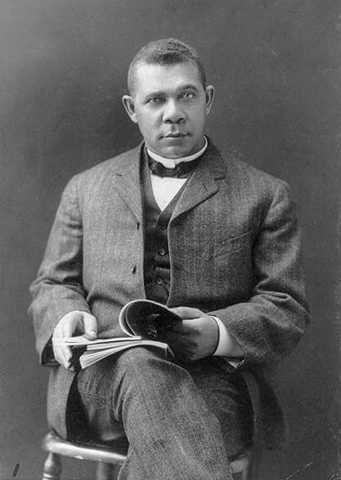
In history yesterday we continued to talk about the progressive era. Some of the most famous social reformers were Jane Addams, Margaret Sanger, and Booker T Washington. Jane Addams founded the settlement house movement through the establishment of the Hull House in Chicago, Illinois. This was a place where people could go if they were in need of help. Margaret Sanger helped reform the city by educating the urban poor families about the benefits of birth control because many people were having too many children that they could not care for and led to them suffering more than they already were. Sanger also founded Planned Parenthood. Booker T. Washington was a former slave who founded the Tuskegee Institute that focused on teaching African Americans skills that they would need to live a better life.

Tuesday, March 25, 2008

Chapter 18


Yesterday in Mr. K's class we learned about the progressive era. This era happened during the 1890s till the 1920s caused rapid growth and it also led to unemployment, deplorable working conditions and political corruption. There were many writers who influenced the thoughts of people and how to reform society. Upton Sinclair, Lincoln Steffens and Ida Tarbell were one of the greatest journalists in the progressive era. President Roosevelt named them the muckrakers. Muckrakers were authors who specialized in exposing corruption in business, government, and elsewhere. The government had a part in changing the city life also.They added such things as the social welfare programs to the municipal areas or city levels.


http://search.aol.com/aol